
Back to menu
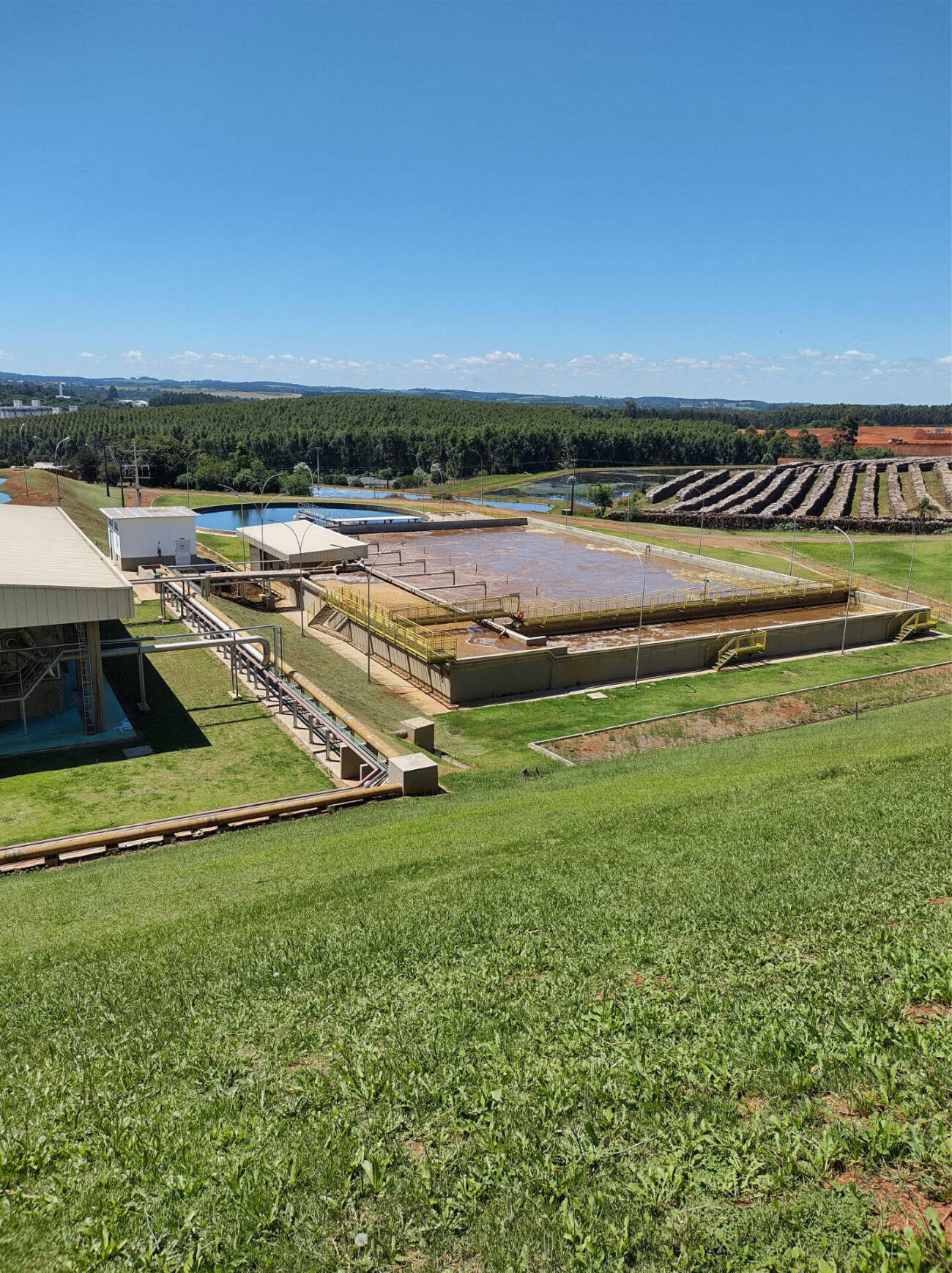
Five ways to increase efficiency of your biological treatment
Efficient biological wastewater treatment is essential when looking to reduce operational costs. Biological treatment processes, like activated sludge systems, rely on microorganisms to break down organic waste, making them an eco-friendly and highly effective method of treating wastewater. However, the efficiency of these systems can vary depending on several factors. If you're aiming to maximize the performance of your biological treatment plant, here are five key strategies you should consider.
JBT Marel tip:
Installing dissolved oxygen sensors with advanced algorithms can help you adjust airflow in response to changing treatment conditions, leading to more efficient energy use.
1. Optimize aeration control
Aeration is the most energy-intensive part of biological treatment, often accounting for over half of the wastewater treatment plant’s energy use. By fine-tuning your aeration system, you can significantly cut costs while ensuring optimal microbial activity. Consider upgrading to more efficient blower systems, which is most cost effective when existing blowers need repairs or replacements. Also investigate using advanced sensors and control algorithms, which enable aeration levels to be adjusted in real-time based on the actual oxygen demand. This can prevent over-aeration and reduce unnecessary energy expenditure.
JBT Marel tip:
If you are looking to improve your plant’s capacity without expanding its footprint, consider upgrading to MBR- or DAF technology, which increases biomass concentration and improves effluent quality.
2. Improve biomass utilization
When being confronted with larger loads, keeping an adequate population of microorganisms in the treatment process is essential for the breakdown of organic materials. Instead of expanding your tank size, another way to do this is by improving sludge retention. This can be achieved by optimizing the settling characteristics in the clarifiers or utilizing technologies such as membrane bioreactors (MBR) or dissolved air flotation (DAF) systems to separate sludge-water mixtures. These technologies can operate with higher retention times for the microorganisms and enable more efficient treatment within smaller footprints.
JBT Marel tip:
Automation can be highly beneficial—using online sensors to monitor nutrient levels and adjusting the dosing rates of supplementary chemicals can prevent nutrient imbalances that may affect treatment efficiency.
3. Maintain proper nutrient balance
Microorganisms in your biological treatment system need the right nutrients, such as nitrogen and phosphorus, to thrive. A lack of essential nutrients can lead to poor performance, while an excess can create problems such as algae growth. Regular analysis of the wastewater composition and adjustment of the chemical dosing rates ensures your microbes remain healthy and effective.
JBT Marel tip:
Implementing a flow equalization tank upstream from the biological treatment can minimize the impact of peak flows and organic loads, preventing overloading and ensuring consistent biological performance.
4. Reduce hydraulic and organic loading variations
Significant variations in hydraulic or organic loads can shock your biological system, disrupting the microorganisms and leading to poor treatment performance. Installing an equalization tank can help smooth out fluctuations by storing excess flow during peak production times and gradually releasing it into the treatment process. This will allow the microorganisms to maintain steady activity, even during periods of high demand.
JBT Marel tip:
Upgrading to a physical-chemical pretreatment system can help remove more organic and solid material, ensuring that properly conditioned wastewater enters the biological treatment process. As a result, the biological treatment stage requires less energy.
5. Enhance pretreatment to reduce biological load
Effective pretreatment can significantly reduce the amount of organic and solid material entering the biological treatment stage. By incorporating advanced screening, grit removal, or chemical precipitation techniques, you can remove a larger portion of organic and solid material before it reaches the biological system.
By optimizing key aspects such as aeration, biomass retention, and nutrient levels, you can significantly enhance your plant's performance and reduce operational costs. If you are looking to take the next step, upgrading to advanced technologies and integrating automated control systems could unlock even greater efficiencies.
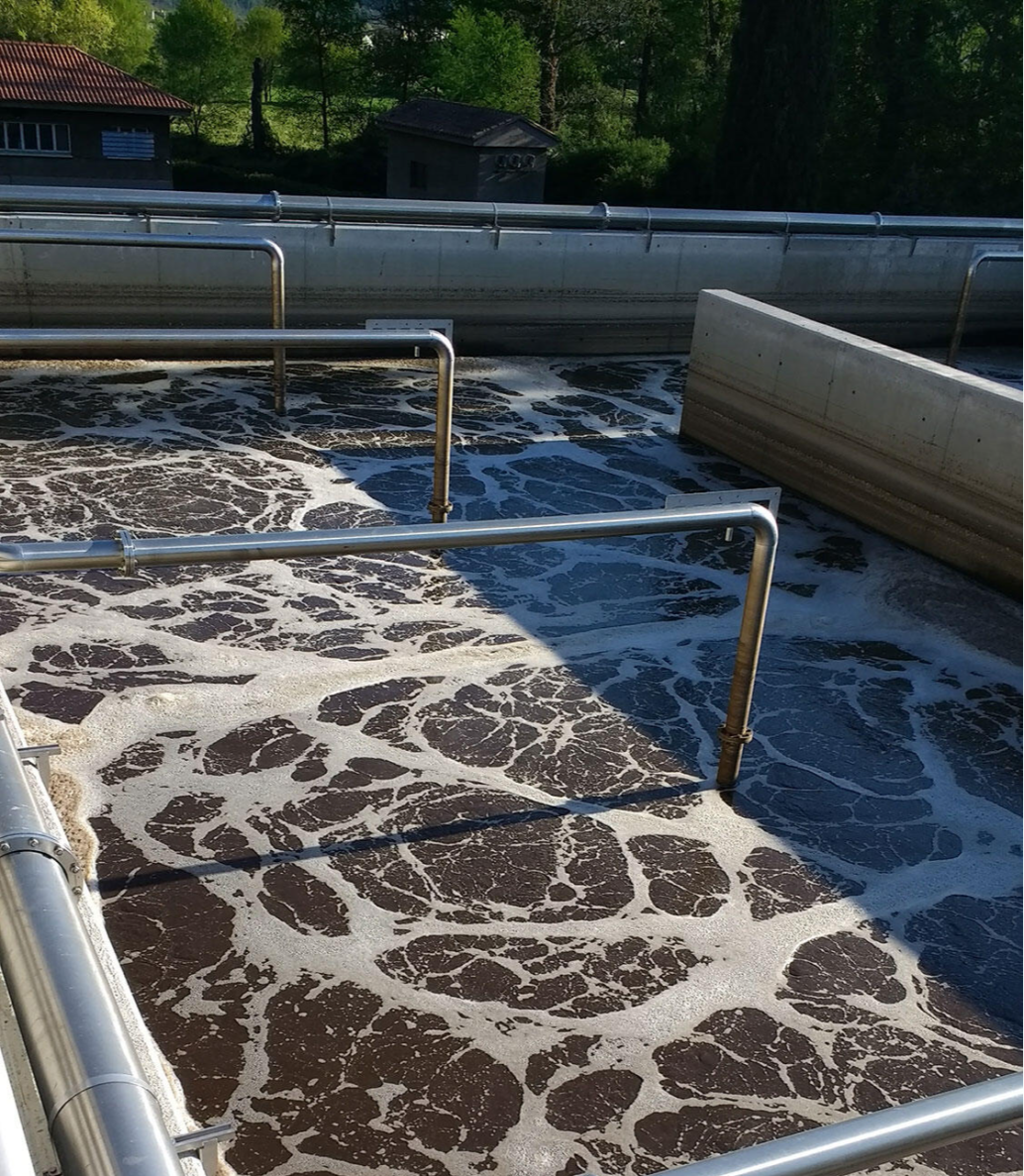
Ready to enhance your treatment plant's performance?
Contact us today to discuss how our tailored solutions can help you achieve your wastewater treatment goals.
Back up
Back to menu
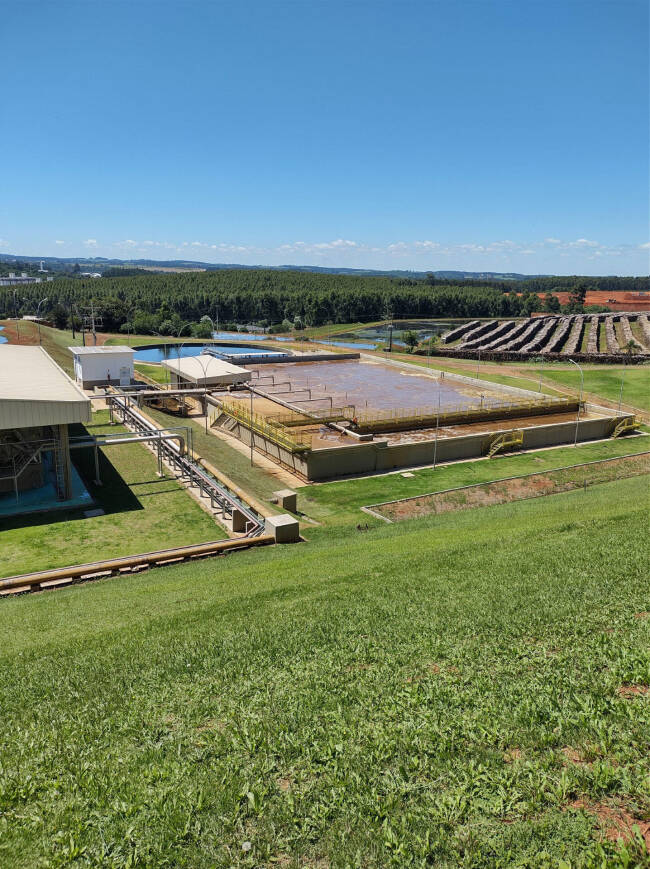
Five ways to increase efficiency of your biological treatment
Efficient biological wastewater treatment is essential when looking to reduce operational costs. Biological treatment processes, like activated sludge systems, rely on microorganisms to break down organic waste, making them an eco-friendly and highly effective method of treating wastewater. However, the efficiency of these systems can vary depending on several factors. If you're aiming to maximize the performance of your biological treatment plant, here are five key strategies you should consider.
JBT Marel tip:
Installing dissolved oxygen sensors with advanced algorithms can help you adjust airflow in response to changing treatment conditions, leading to more efficient energy use.
1. Optimize aeration control
Aeration is the most energy-intensive part of biological treatment, often accounting for over half of the wastewater treatment plant’s energy use. By fine-tuning your aeration system, you can significantly cut costs while ensuring optimal microbial activity. Consider upgrading to more efficient blower systems, which is most cost effective when existing blowers need repairs or replacements. Also investigate using advanced sensors and control algorithms, which enable aeration levels to be adjusted in real-time based on the actual oxygen demand. This can prevent over-aeration and reduce unnecessary energy expenditure.
JBT Marel tip:
If you are looking to improve your plant’s capacity without expanding its footprint, consider upgrading to MBR- or DAF technology, which increases biomass concentration and improves effluent quality.
2. Improve biomass utilization
When being confronted with larger loads, keeping an adequate population of microorganisms in the treatment process is essential for the breakdown of organic materials. Instead of expanding your tank size, another way to do this is by improving sludge retention. This can be achieved by optimizing the settling characteristics in the clarifiers or utilizing technologies such as membrane bioreactors (MBR) or dissolved air flotation (DAF) systems to separate sludge-water mixtures. These technologies can operate with higher retention times for the microorganisms and enable more efficient treatment within smaller footprints.
JBT Marel tip:
Automation can be highly beneficial—using online sensors to monitor nutrient levels and adjusting the dosing rates of supplementary chemicals can prevent nutrient imbalances that may affect treatment efficiency.
3. Maintain proper nutrient balance
Microorganisms in your biological treatment system need the right nutrients, such as nitrogen and phosphorus, to thrive. A lack of essential nutrients can lead to poor performance, while an excess can create problems such as algae growth. Regular analysis of the wastewater composition and adjustment of the chemical dosing rates ensures your microbes remain healthy and effective.
JBT Marel tip:
Implementing a flow equalization tank upstream from the biological treatment can minimize the impact of peak flows and organic loads, preventing overloading and ensuring consistent biological performance.
4. Reduce hydraulic and organic loading variations
Significant variations in hydraulic or organic loads can shock your biological system, disrupting the microorganisms and leading to poor treatment performance. Installing an equalization tank can help smooth out fluctuations by storing excess flow during peak production times and gradually releasing it into the treatment process. This will allow the microorganisms to maintain steady activity, even during periods of high demand.
JBT Marel tip:
Upgrading to a physical-chemical pretreatment system can help remove more organic and solid material, ensuring that properly conditioned wastewater enters the biological treatment process. As a result, the biological treatment stage requires less energy.
5. Enhance pretreatment to reduce biological load
Effective pretreatment can significantly reduce the amount of organic and solid material entering the biological treatment stage. By incorporating advanced screening, grit removal, or chemical precipitation techniques, you can remove a larger portion of organic and solid material before it reaches the biological system.
By optimizing key aspects such as aeration, biomass retention, and nutrient levels, you can significantly enhance your plant's performance and reduce operational costs. If you are looking to take the next step, upgrading to advanced technologies and integrating automated control systems could unlock even greater efficiencies.
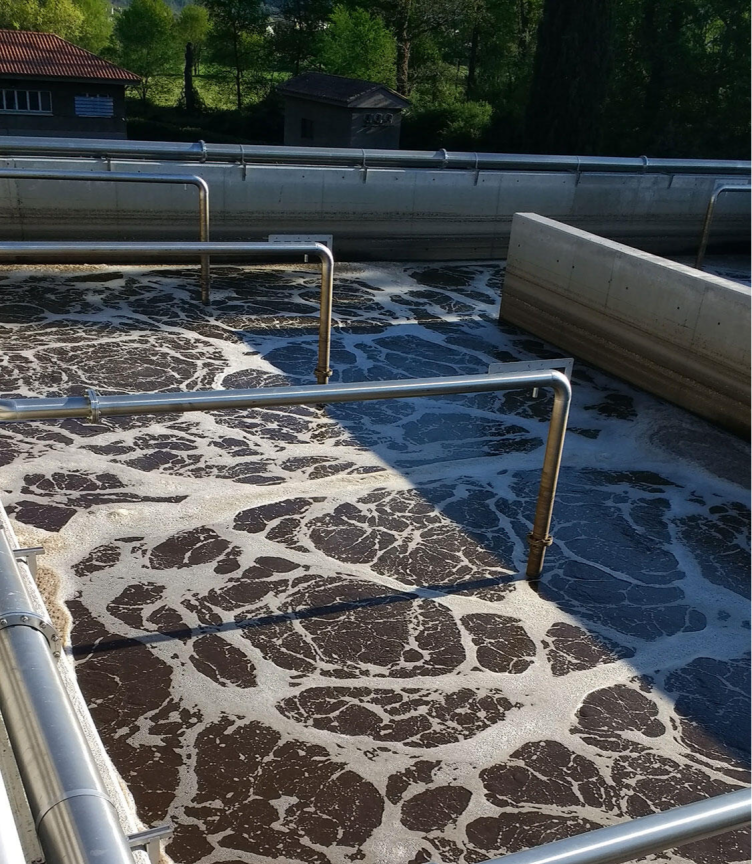
Ready to enhance your treatment plant's performance?
Contact us today to discuss how our tailored solutions can help you achieve your wastewater treatment goals.
Back up